
Currently Empty: $0.00

Whoa! Ever sent assets across chains and felt your heart drop? Really? Yeah, me too.
I remember the first time I tried bridging tokens from Ethereum to a smaller chain; somethin’ about the confirmations made me sweat. My instinct said this was risky, and my gut felt off about the contract I was using. Initially I thought bridges were broadly safe, but then I watched liquidity disappear on a bridge I trusted—slowly, painfully—and realized the surface-level convenience hides a lot of complexity.
Short version: cross-chain transactions are powerful. They also add layers of failure modes—transaction fees on two rails, wrapped tokens that lose parity, relayers that go offline, and the perennial risk of private keys being exposed when you jump wallets mid-flow. On one hand cross-chain brings composability and choice; though actually, on the other hand, it multiplies trust assumptions in ways many users don’t consider. I’m biased, but this part bugs me when people treat bridging like sending an email.
Okay, so check this out—multi-chain wallets exist to reduce that friction. They keep your private keys in one place while letting you interact with several networks. That’s elegant. But it’s not magic. You still need to understand what the wallet is doing on your behalf, and whether its key management model matches your threat model. My instinct said: if the wallet can’t prove it never sees your keys, don’t trust it with large amounts. Hmm… that sounds obvious, but you’d be surprised.
Let’s unpack the real risks with cross-chain moves. First, bridges can be custodial or non-custodial, and the line can blur. Second, wrapped assets rely on custodians or smart contracts that might fail. Third, transaction sequencing across chains can break atomicity—meaning a failure on chain B can leave you stuck on chain A. Longer explanation: imagine sending from A to B via an escrow contract that releases only when the relayer confirms receipt—if the relayer disappears, you’re in a pending limbo. It’s annoying. It also costs gas.
How a multi-chain wallet actually helps — without overpromising
I’ll be honest: not all multi-chain wallets are created equal. Some are thin wrappers that shuffle keys to different provider endpoints; others manage private keys locally and sign transactions natively across chains. The difference matters. My working rule: prefer wallets that keep keys on-device (or in a hardware module) and sign offline where possible. That reduces attack surface very very substantially.
One practical tip: when you connect a wallet to a bridge or DApp, watch the approval scope. Short approvals reduce long-term risk. Also: prefer wallets that make nonce and chain context explicit so you can verify that a signature is actually for the action you think you’re performing (this is often hidden, and that bugs me).
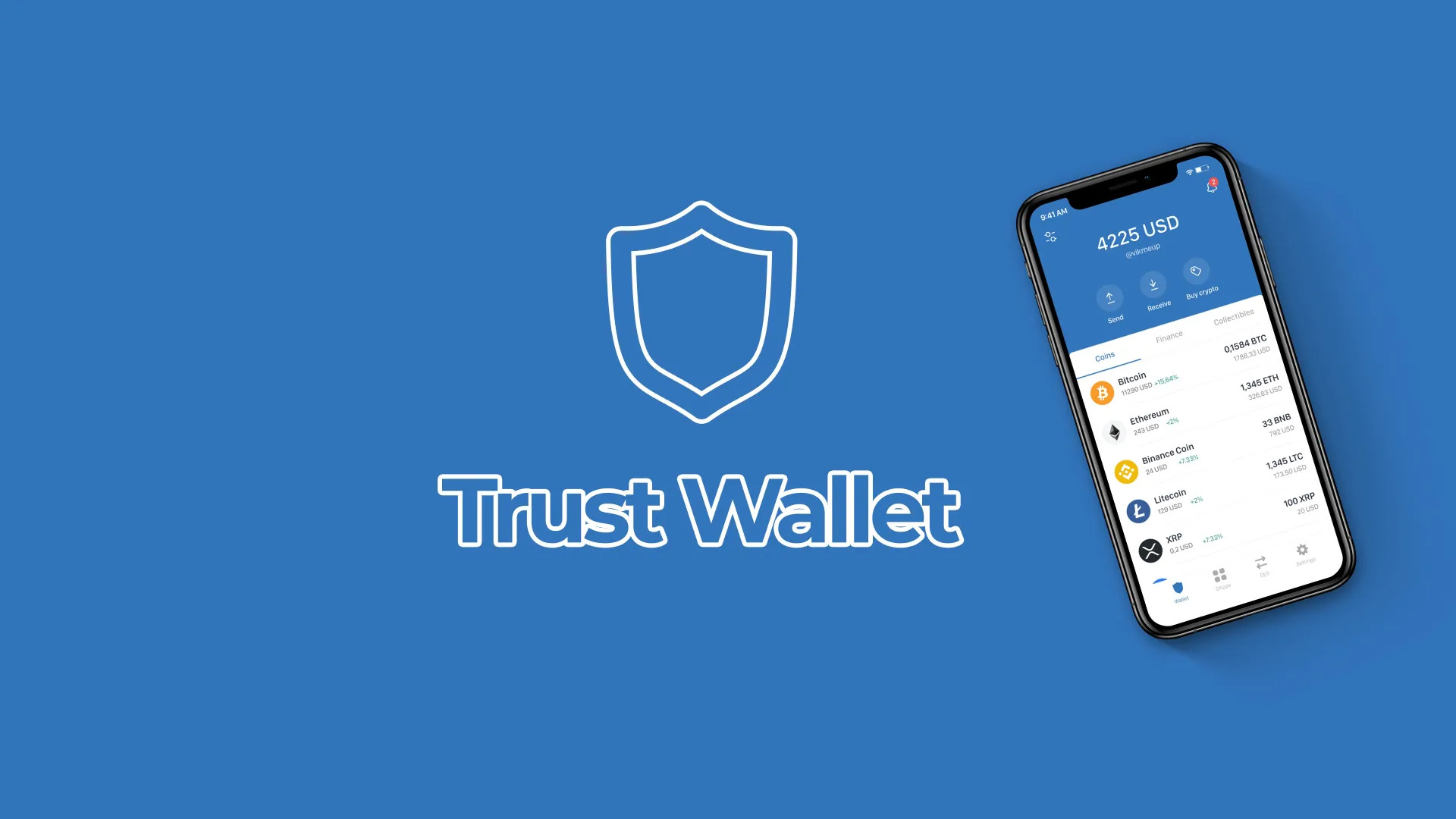
In my recent testing I used a few wallets that let me switch networks without exporting keys or rebuilding accounts, and that made experimenting safer. For a clean multi-chain UX that keeps private keys local, try a wallet like truts wallet —it handled multiple chains without me juggling seed phrases across apps. Not an endorsement to dump everything there; rather, it’s a real-world example of how decent key custody and cross-chain UX can coexist.
Something else: atomicity solutions are improving. Tools like cross-chain atomic swaps, optimistic relayers, and threshold signature schemes can reduce the “stuck on chain A” problem. But they add complexity—so there’s a trade-off between simplicity and safety. Initially I thought threshold signatures would be the silver bullet; however, after digging in, I realized the implementation and governance models matter as much as the math. Actually, wait—let me rephrase that: the math is elegant, but governance often breaks systems.
So what should a Web3 user in the US care about? Short checklist: verify private key custody, inspect transaction approvals, prefer local signing, and use wallets that support strong recovery models (social recovery, hardware backup, whatever fits you). If you run high-value operations, split exposure across chains and accounts. Yes it’s annoying—welcome to risk management.
On one hand you can be cavalier and accept convenience; on the other, you can be paralyzed by fear. I swing between both. The trick I’ve found is a middle ground: small, frequent experiments on a testnet or low-stakes account before moving significant assets. That saved me from one nasty bridge fee mistake once—my mistake, my lesson.
Also: keep private keys private. That seems dumb to say, but phishing dApps and fake wallets are rampant. If a DApp asks for a signature to “prove” something, pause and inspect. Many signatures are replayable across chains if poorly structured. Don’t sign things that look like gibberish. If you’re not sure, step away. Seriously?
FAQ
How do multi-chain wallets manage private keys across networks?
Most good wallets derive all chain accounts from a single seed using a standard derivation path, then sign per-chain transactions locally. That means the private key doesn’t leave your device. Some wallets add layers—like hardware signing or threshold keys—so recovery and signing are split across devices or people. The key detail is whether the wallet exposes your seed to remote servers or not; don’t let that happen unless you want custodial risk.
By the time I wrap this up (not finishing, just pausing), I’m less starry-eyed about “cross-chain as a panacea” and more excited about pragmatic improvements—better UX, clearer approval flows, and wallets that stop treating users like cryptographers. There’s progress. Yet some parts remain messy, and they will for a while.
Final thought—well, sort of: if you treat cross-chain activity like camping in the backcountry, you’ll do fine. Pack the right tools, learn the terrain, avoid the quicksand spots, and always have a recovery plan. I’m not 100% sure of every future protocol twist, but that’s the mindset that keeps losses small and confidence growing.

